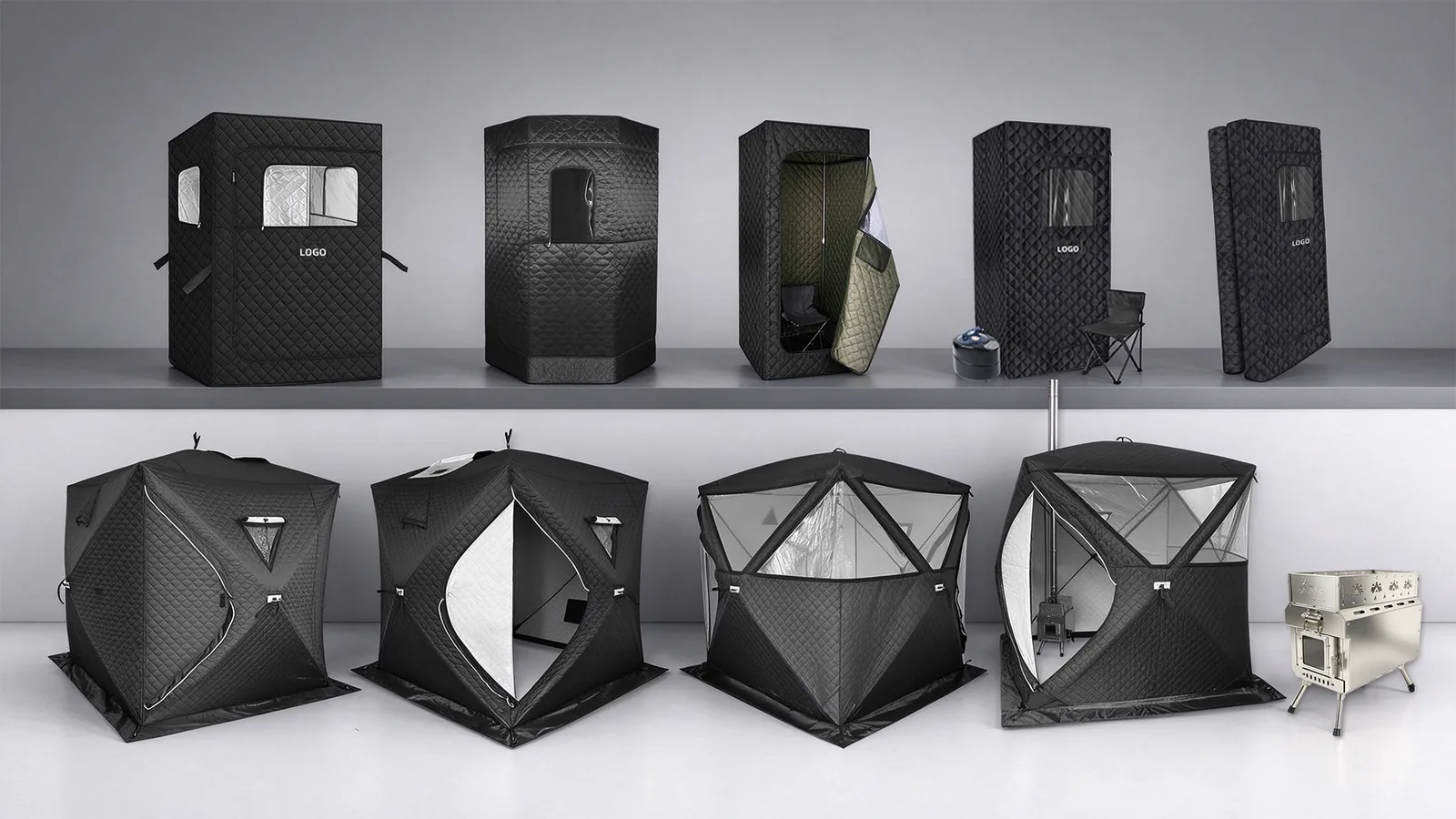
Wholesale Sauna Buying Checklist for Importers and Distributors
A concise checklist for buyers sourcing sauna rooms, tents, blankets or stoves: model scope, MOQ, packaging, voltage, inspection and freight.
Read Article →
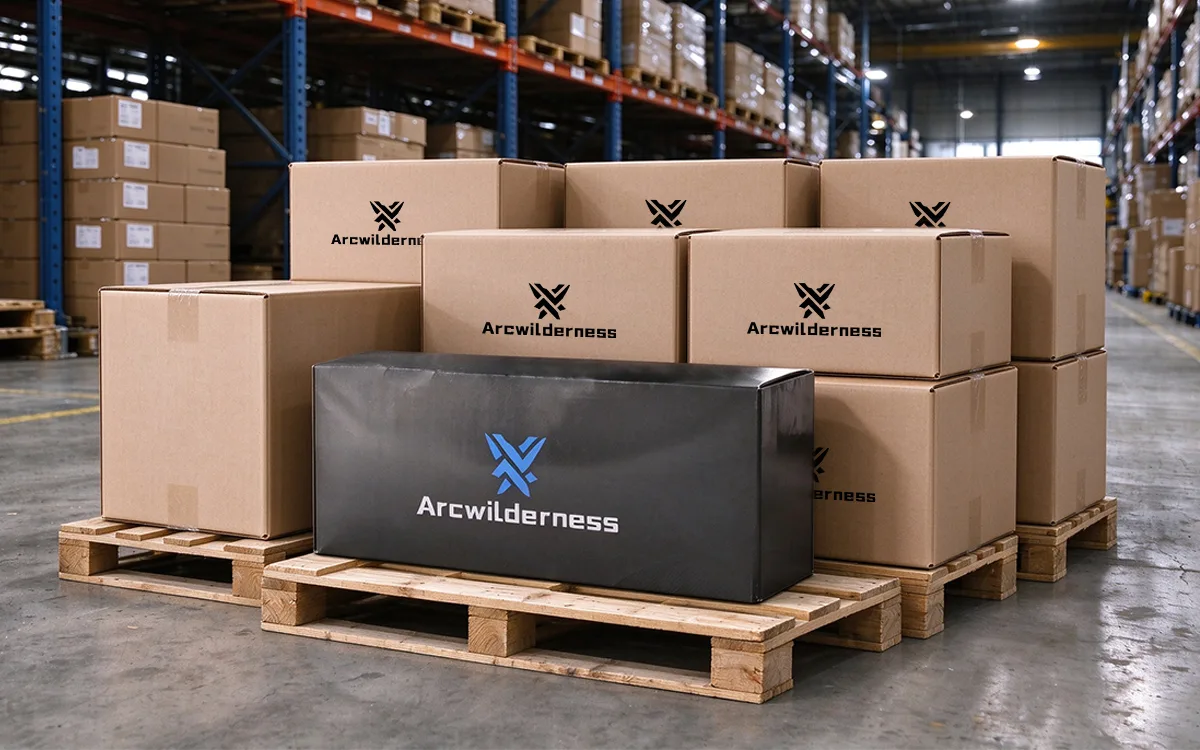
Packaging is part of the product for a wholesale buyer. It protects the unit in transit, identifies the model at the warehouse and tells the end customer what is inside. A private label project should therefore approve the carton and accessory kit with the product sample, not after the production order has already been packed.
The approved artwork should identify the model and product category, show the buyer's brand in the agreed position, and carry any handling or identification information required for the route to market. Keep the artwork proof tied to the product revision. A carton printed for a room with different accessories or voltage may create confusion even if the outside dimensions look similar.
Portable rooms and sauna tents may share a fabric construction, but their kits are different. A steam room can include steam hoses, a steamer, a foldable chair and a remote control. An outdoor tent can include a storage sack, snow stakes, guy lines, a stove jack cover and window panels. A blanket kit may include a carry bag, controller, cables and wraps.
List the accessory count beside every product code. The difference between one and two chairs, or one and two steamers, changes the unit economics and the packing plan. It also makes a later claim about a missing accessory much easier to resolve.
Yes, when the model has a carry or storage bag and the buyer wants a complete private label presentation. Agree the logo position and size on the bag separately from the shell and carton. The bag is also a useful inspection point: if the bag is missing or unlabelled, the packed unit is not the approved configuration.
A larger carton can add freight cost even when the product itself has not changed. Ask whether the approved pack fits the intended shipment method and whether the carton can be handled without extra repacking. For an LCL shipment, the number of cartons and the way they stack may matter as much as the total weight.
Approve one packed reference unit. It should show the closed carton, the open carton, the accessory layout, the branded bag and the final label together. That single reference prevents most packing disagreements.
A concise checklist for buyers sourcing sauna rooms, tents, blankets or stoves: model scope, MOQ, packaging, voltage, inspection and freight.
Read Article →A sourcing-focused comparison of steam rooms, stove-heated sauna tents and infrared blankets, with the questions that change freight and product fit.
Read Article →